Water
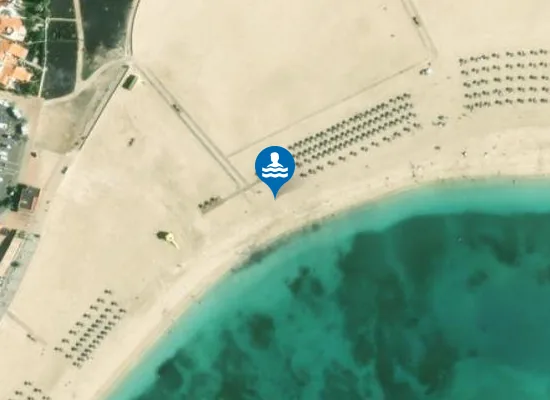
Coastal seawater body (ES70FVTI1 Caleta del Espino – Punta Entallada). Beach length 700 metres, width 40 metres. Bathymetry ranges from 0 to −6 metres. Wave exposure is present with calm water regime. Tidal range 1–3 metres. Substrate is golden sand.
Location
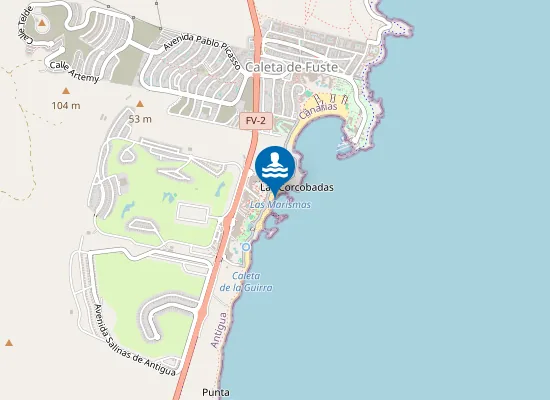
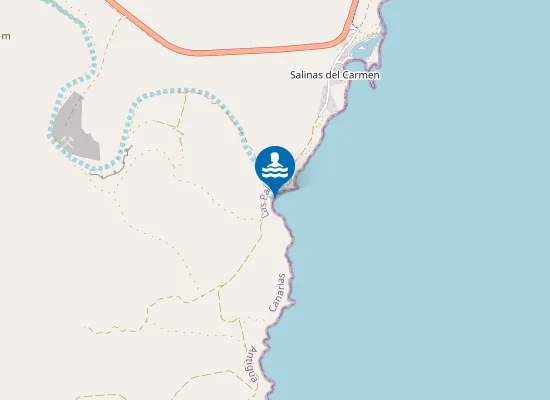
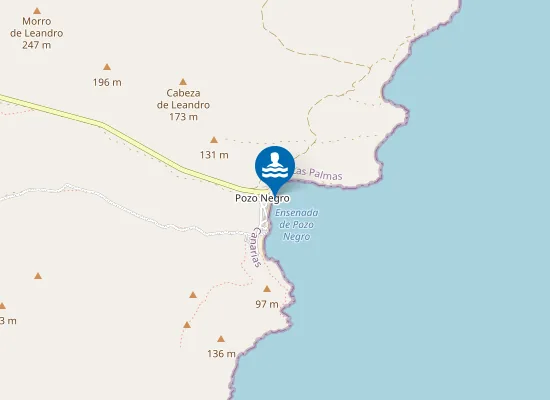
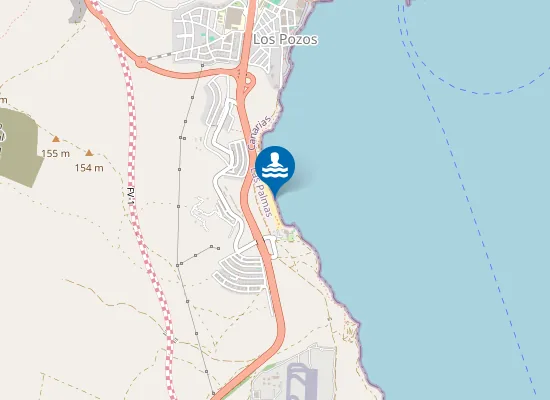
Located in Antigua, Fuerteventura, Canary Islands, Spain. The bathing zone is designated as Caleta de Fuste (El Castillo). Easy pedestrian access and vehicular access are available. Parking is provided. A maritime promenade is present.
Facilities
Pedestrian access (easy), vehicular access, maritime promenade, disabled access, parking, showers, foot washing facilities, services, bars, waste bins, public telephone, umbrella rental, sun lounger rental. Water sports activities available: paddleboarding, kayaking, roller skating, windsurfing. Beach volleyball and children's play area on sand.
Season
1 February to 30 November
Water Quality
Water quality classification is based on four-year evaluation of faecal indicator bacteria: Escherichia coli and intestinal enterococci. One microbiological contamination episode was detected on 6 October 2016 with faecal pollution indicators. The coastal surface water body is in good ecological status (biological and physico-chemical) with overall state rated as good or better according to the Fuerteventura Hydrological Plan.
Risks
Diffuse pollution source: Castillo marina. Point pollution sources include two wastewater treatment plants (EDAR Geranios, EDAR Barceló Castillo), Hotel Sheraton Fuerteventura saltwater pools, sewerage network submarine outfall, brine discharge from two desalination facilities (Salinas de Antigua Golf Resort, Fuerteventura Golf Club), and overflow relief structure. Storm water runoff from two watercourses (Barranco Valle de Miraflor, Barranco de La Cruzada) may transport contaminants. Episodic risks include raw or treated urban wastewater discharge, brine discharge, accidental hydrocarbon spillage, and saltwater discharge from pool emptying or filter cleaning. Cyanobacterial proliferation (Trichodesmium) occurred in 2004, 2010, and more intensely in 2017. No risk from jellyfish, sea urchins, or macroalgae.